




OVERVIEW
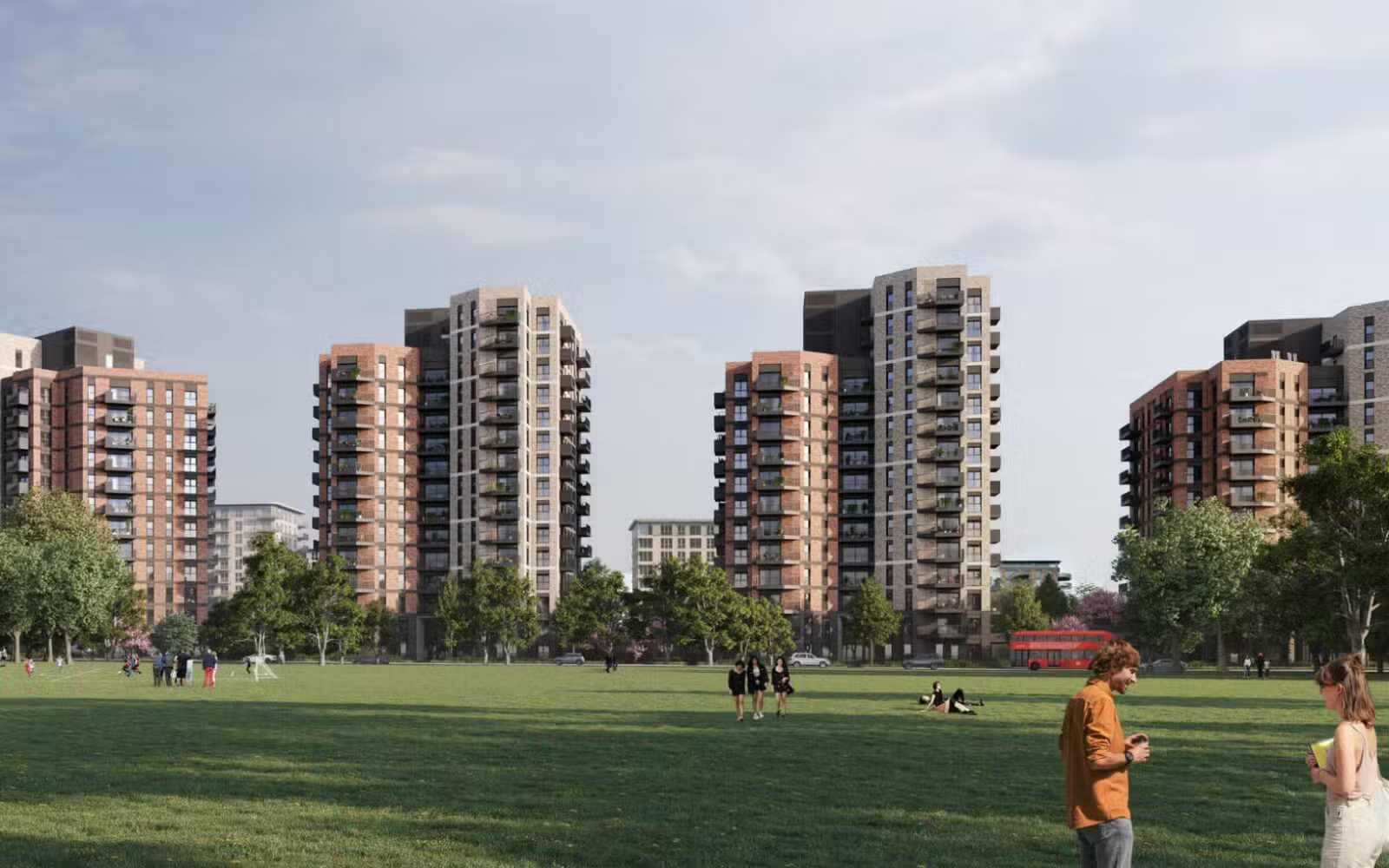
Phase Five forms part of the wider Kidbrooke Village development in the London Borough of Greenwich – one of the largest urban renewal schemes in the UK. The site was formerly part of the 1,900-home Ferrier Estate, built in 1972 on brownfield land that had once housed a Barrage Balloon Squadron during the Second World War. Though considered groundbreaking at the time of construction, the estate fell into disrepair during the 1980s and was marked for comprehensive redevelopment by Greenwich Council in 2001. Phase Five occupies a central position within the wider masterplan.
CREATE’S ROLE
Create were commissioned by Plowman Craven – a consultant on project team – to support the developer, Berkeley Homes, in navigating the Environmental Impact Assessment (EIA) process, providing geotechnical investigation and flood risk assessment. The EIA assessment covered a wide range of flood risk and drainage matters including surface water quality, groundwater quality, surface water runoff, surface water flood risk, foul sewer capacity and water mains capacity. Geotechnical considerations encompassed contamination and ground-related impacts across all phases of development.
Our Water & Flood Risk and Geo-environmental teams worked closely together with the design team to deliver a comprehensive drainage design and flood mitigation strategy, ensuring the proposed development would be safe and compliant with national and regional planning policy. Both disciplines addressed cumulative impacts within the wider development area. Our technical work fed into the planning application, with Create providing continued support throughout the determination process including liaison with the Lead Local Flood Authority (LLFA) and the London Borough of Greenwich.
Our roles, technical services and outputs included:
- Site-specific Flood Risk Assessment (FRA)
- Sustainable Drainage Strategy
- Phase 1 Contaminated Land Assessment
- Environmental Statement (ES) – Flood Risk and Drainage Chapter
- Environmental Statement (ES) – Ground Contamination Chapter
CHALLENGES
The key challenges were the rapid assessment of many potential receptors as part of the EIA process, and the development of a robust drainage strategy that placed a strong emphasis on sustainable drainage and placemaking, whilst simultaneously responding to the complex technical and regulatory requirements of a major urban regeneration project. This required close collaboration across disciplines and careful coordination with the design team and statutory consultees.
ACHIEVEMENTS AND BENEFITS
The final suite of reports demonstrated the suitability of the Kidbrooke Phase Five site for development and successfully supported the planning application. Our drainage strategy aligned with the sustainability ethos established across the earlier phases of Kidbrooke Village, contributing to a coherent and resilient approach to water management across the wider regeneration. Create’s input helped unlock the next phase of one of London’s most significant brownfield regeneration schemes.