




OVERVIEW
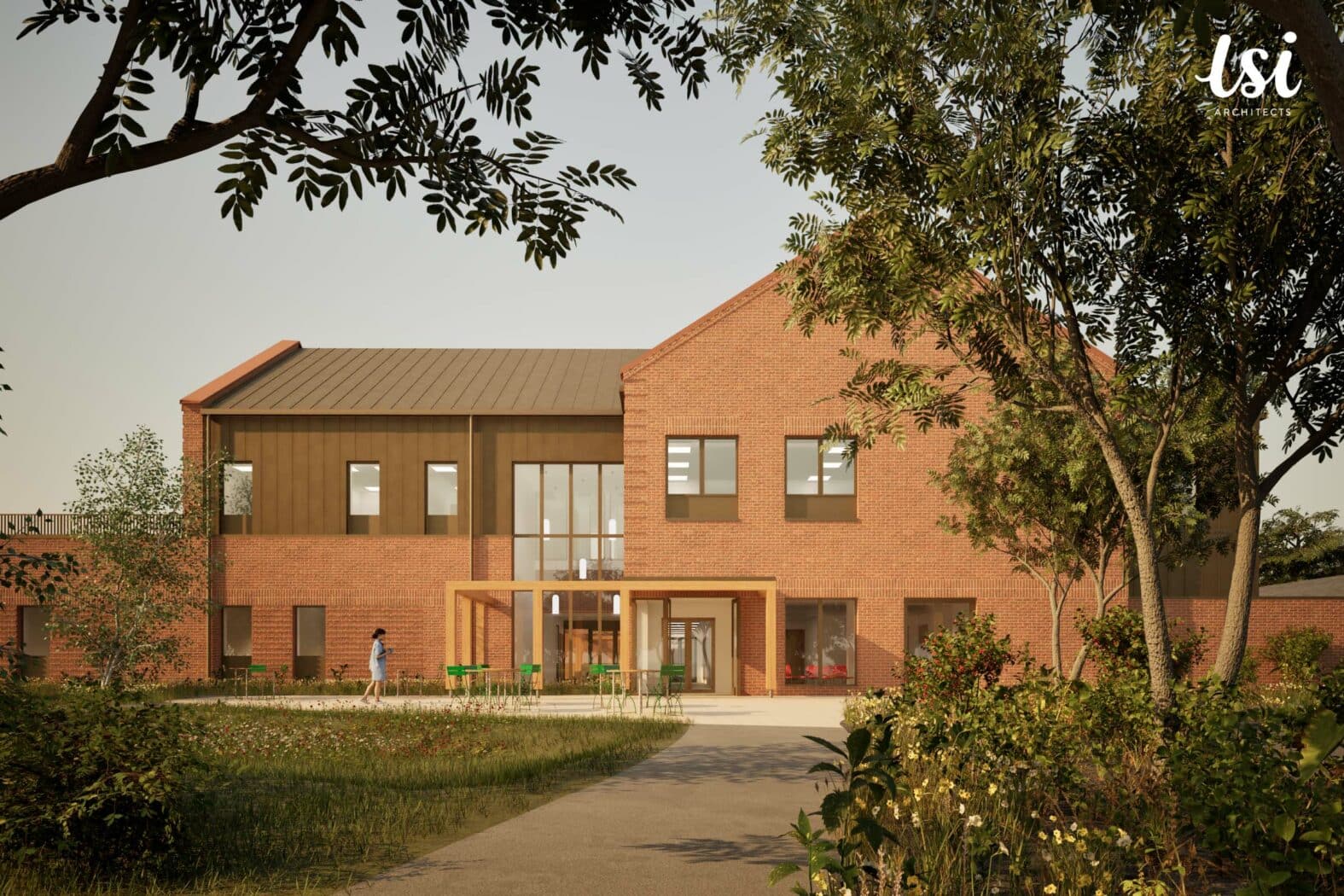
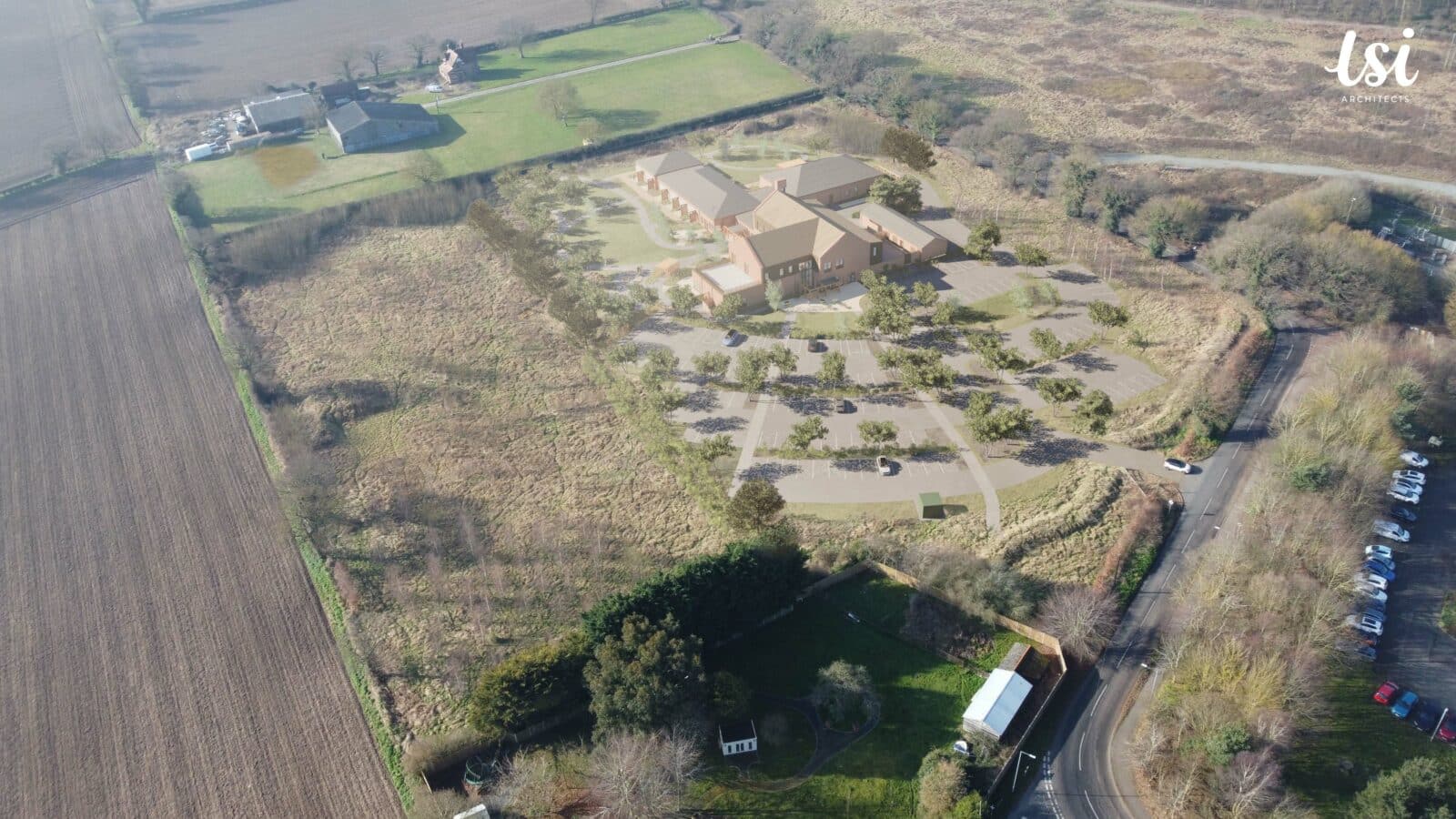
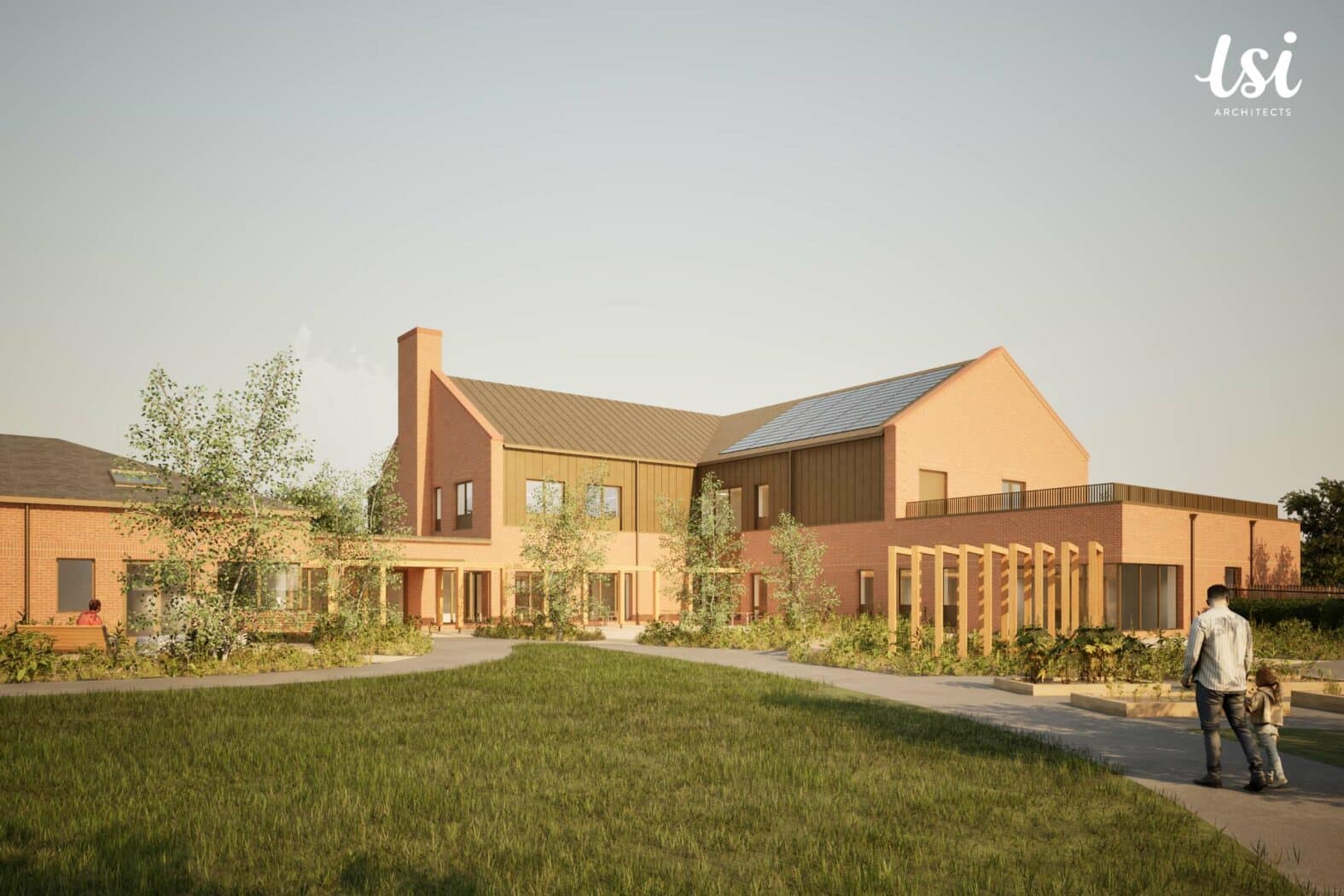
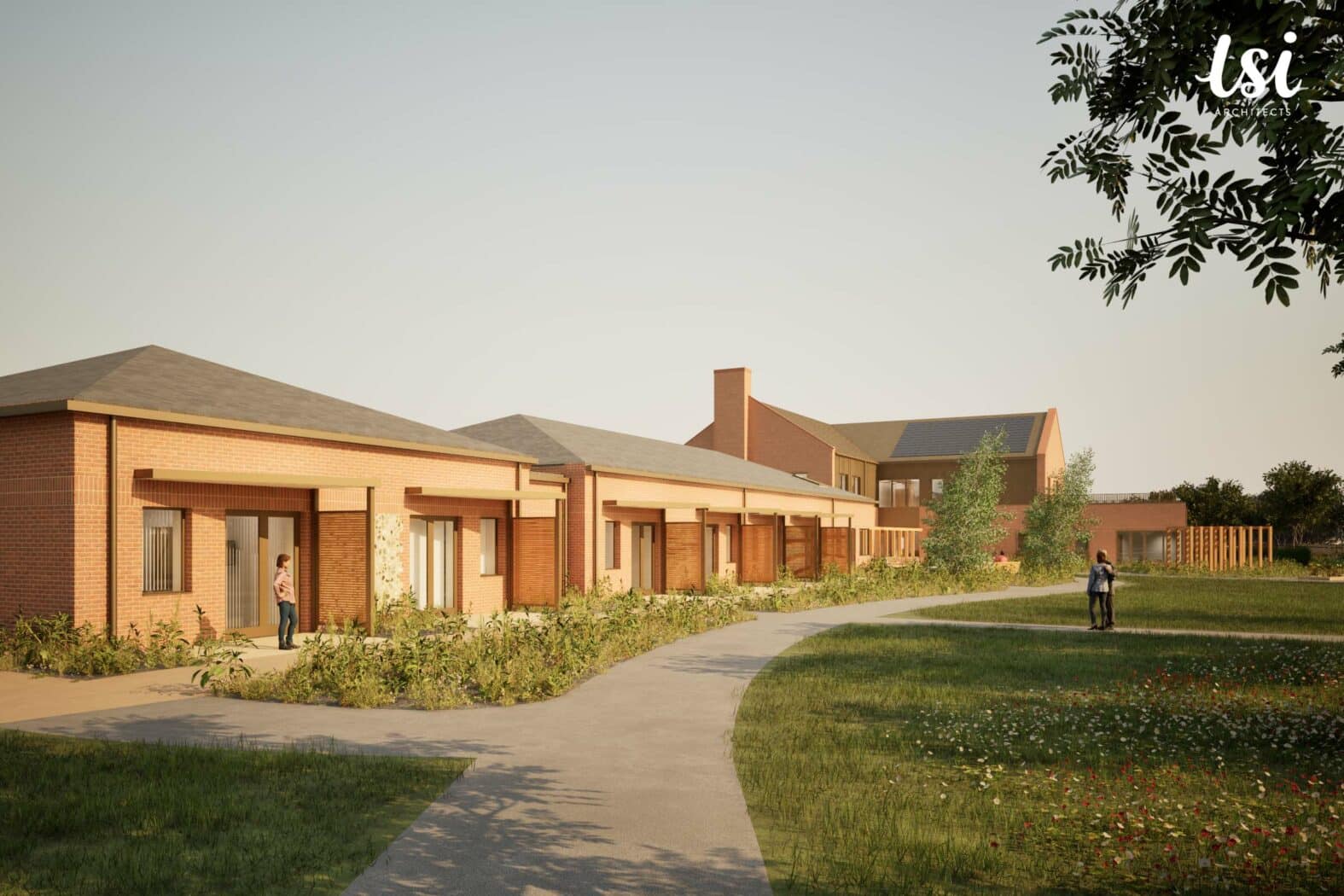
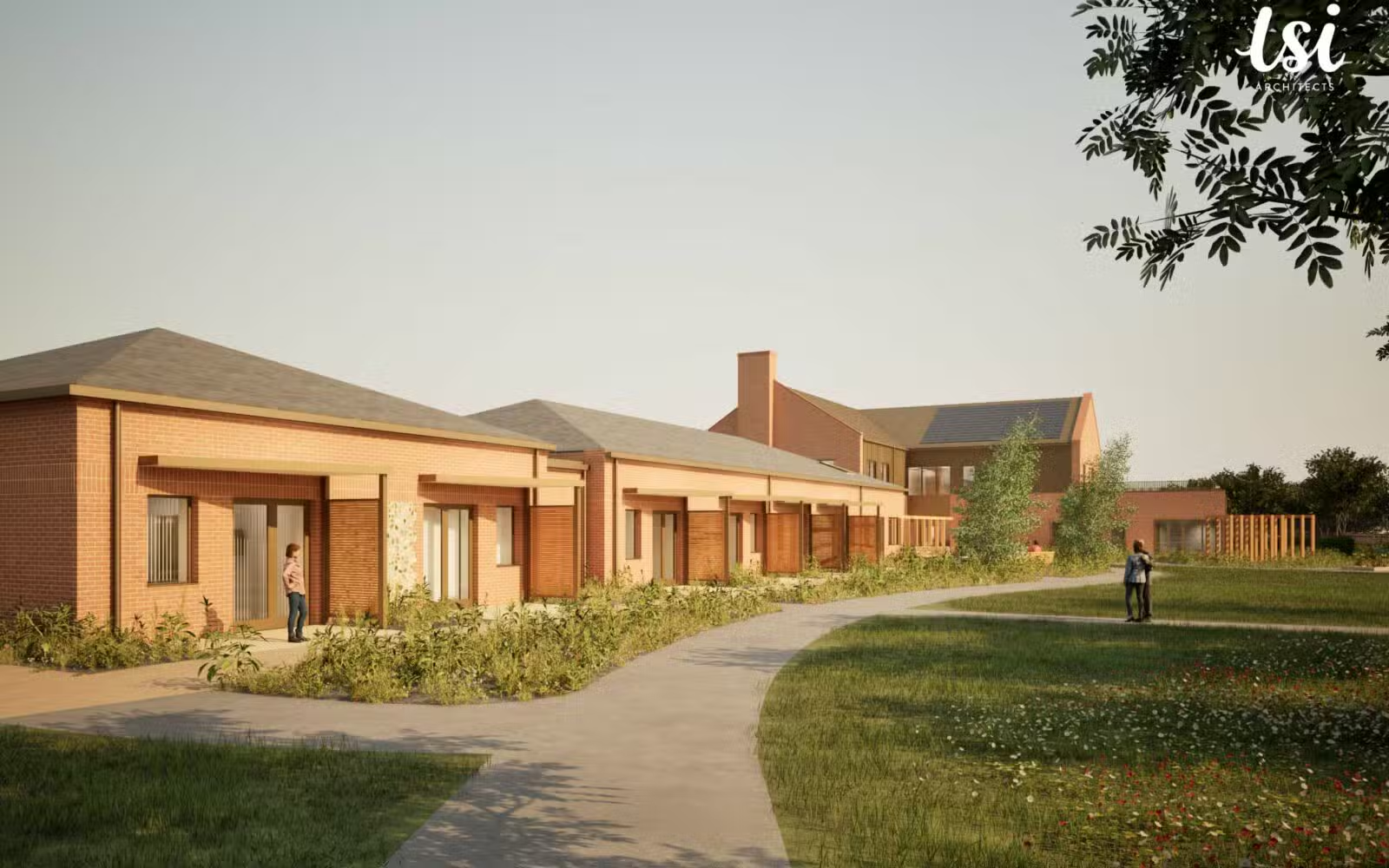
The Gorleston community hospice project comprises the development of a purpose-built facility for St Elizabeth Hospice, designed to provide specialist palliative care services within a calm, supportive environment for patients and their families. The building comprises 16-bed inpatient unit, outpatient care, bereavement and family support spaces, a rehabilitation gym, and a community café.
CREATE’S ROLE
We secured the project in 2024 via competitive tender as part of LSI Architects’ proposed design team and have supported the scheme from planning through to the current detailed design stage. Our appointment spans Sustainability, Flood Risk, Drainage, Civil and Structural Engineering, Highways and Transport, Geotechnical, and MEP Building Services.
Working collaboratively with the wider team, we are ensuring that engineering solutions are fully integrated with the architectural vision and project objectives. Operational efficiency and long-term cost performance are key project drivers, informing design development across all disciplines.
Our roles, technical services and outputs to-date include:
- Phase 1 Contaminated Land Assessment
- Energy and Sustainability Statement
- Site-Specific Flood Risk Assessment (FRA)
- Structural Engineering including Concept Design, Detailed Design, Performance Specification and Stage 3 Report
- Infiltration Testing
- Civil Engineering, Drainage Strategy and Detailed Design
- MEPH Services Strategy Report, Performance Specification and Stage 3 Report
- Energy Load Assessments
- Utilities and Stats Enquiries
- Transport Assessment (TA) and Travel Plan (TP)
- Phase 2 Geo-Environmental Investigation
- Production of RIBA Stage 4 – Technical Design Information
- Implementation of Low-Carbon Design Measures (Photovoltaic Panels and Air Source Heat Pumps)
- Multidisciplinary Advice
- Discharge of Conditions
CHALLENGES
Designing a healthcare facility of this nature requires a careful balance between functionality, patient wellbeing, operational efficiency and long-term cost performance – all of which must be fully considered and integrated within the building design.
The coastal location of Gorleston also introduces additional considerations, particularly in relation to drainage design, ground conditions and long-term building resilience. In addition, the scheme is required to meet local planning policy requirements for carbon reduction, including compliance with Great Yarmouth’s Core Strategy Policy CS12, necessitating the integration of low-carbon design measures within the overall building strategy.
The scheme also requires a high level of coordination across disciplines to ensure that structural, civil and building services requirements are aligned, avoiding conflicts and ensuring buildability.
ACHIEVEMENTS AND BENEFITS
Our team recommended the integration of low-carbon design measures, including photovoltaic panels and air source heat pumps. This supported compliance with Great Yarmouth Core Strategy Policy CS12, achieving a 10% reduction in carbon emissions and contributing to the successful planning approval from Great Yarmouth Borough Council in September 2025.
Now at RIBA Stage 4 – Technical Design, our continued involvement is supporting the development of a coordinated and technically robust scheme, reducing the risk of design clashes, programme delays and cost uncertainty as the project progresses towards construction, with Ipswich-based Barnes Construction due to commence work on site in 2026.
Last Updated: Thursday 26th March 2026.